
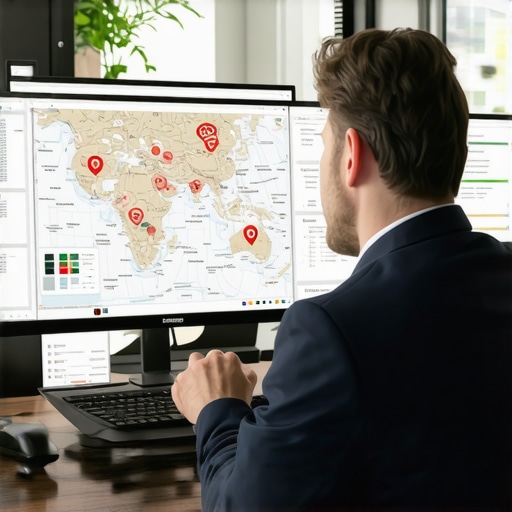
Ever spent hours tweaking your Google My Business listing, only to see it stubbornly stuck on the second page of local search results? I’ve been there. I used to think that simply filling out my profile and waiting for the leads to roll in was enough. Spoiler: it’s not. That lightbulb moment hit me hard when I realized my competitors were outranking me, not because they had fancier logos or more reviews, but because they understood the real game behind Google Maps Optimization. Today, I want to share with you the proven strategies I’ve learned to elevate your local presence in Long Beach and dominate those map rankings.
Why Map Rankings Matter More Than Ever
Think about it — when was the last time you scrolled past the first page of Google Maps results? Probably never. Local searches tend to have higher conversion rates, and with so many businesses vying for attention, standing out on the map is no longer optional — it’s essential. According to a recent study, over 70% of consumers visit a store within a five-mile radius after a local search, and the top three map listings get the lion’s share of clicks. That’s a golden opportunity you can’t afford to miss. But here’s the catch: the algorithms are constantly evolving. What worked last year might not cut it now. That’s why I’ve made it my mission to stay ahead of these changes and fine-tune my approach.
Have You Faced This Frustration?
Maybe you’ve optimized your GMB profile, added photos, and even encouraged reviews, but still, your business remains invisible on the map. Or perhaps you’ve seen competitors climbing the rankings without seemingly doing much. I used to make the mistake of thinking that a complete profile was enough. Turns out, there’s a lot more to it — like local citations, proper keyword usage, and consistent NAP information. I learned this the hard way, but now I want to save you some time and hassle.
If you’re tired of playing the guessing game and want a clear, actionable plan to boost your Long Beach business’s map ranking, you’re in the right place. We’ll dive into the exact steps that have helped countless local businesses like yours gain visibility and attract more customers. Ready to get started? Let’s go!
Optimize Your GMB Profile for Maximum Impact
Start by claiming and verifying your Google My Business (GMB) listing if you haven’t already. Ensure all your information is accurate and consistent across platforms—this includes your business name, address, and phone number (NAP). Use your primary keywords naturally within your business description to signal relevance to local searches. Upload high-quality photos that showcase your offerings and interior space, as these increase engagement and trust. Regularly update your profile with new content, special offers, and events to keep your listing fresh and relevant.
Leverage Local Citations and NAP Consistency
Think of local citations as the digital word-of-mouth that boosts your authority. List your business on reputable directories like Yelp, Bing Places, and industry-specific sites. The key is consistency—your NAP information must match exactly everywhere online. Inconsistent data confuses search engines and can hurt your rankings. Use tools like Long Beach SEO techniques to audit and update citations regularly.
Build Local Backlinks to Strengthen Authority
Backlinks act as votes of confidence from other local websites. Reach out to local chambers, community blogs, or partner businesses for backlinks. Hosting local events or sponsoring community initiatives can generate natural links and mentions. Remember, quality matters more than quantity—aim for links from relevant, authoritative sources. This step is like earning endorsements that tell Google your business is a trusted local player.
Encourage and Manage Customer Reviews
Reviews are social proof that influence local rankings. Implement a system to prompt satisfied customers to leave reviews—whether through follow-up emails or in-person requests. Respond promptly and professionally to all reviews, whether positive or negative. This engagement shows Google and potential customers that you care. Also, incorporate keywords naturally within your responses to reinforce your relevance for local search queries.
Utilize Local Keywords Strategically
Keyword research isn’t just for your website; it’s crucial for your GMB posts and descriptions. Use tools like Google Keyword Planner or SEMrush to identify relevant Long Beach-specific terms. Incorporate these keywords into your business description, services, and posts. Think of keywords as the language your customers use—speaking their language increases your chances of appearing at the top of local maps.
Consistent Engagement and Data Monitoring
Regularly analyze your GMB insights to understand how users find and interact with your listing. Adjust your strategy based on this data—if certain keywords or posts generate more clicks, focus on those. Posting weekly updates about new products, services, or community involvement keeps your listing active and signals relevance to Google. Remember, the map ranking algorithm favors active, engaged listings.
Implementing these strategies is like tuning a fine instrument—small adjustments can lead to significant improvements in your local visibility. Keep testing, analyzing, and refining your approach to stay ahead in the competitive Long Beach market.
Many local businesses in Long Beach are eager to boost their map rankings but often fall into nuanced traps that undermine their efforts. While basic optimization techniques like claiming your GMB profile and encouraging reviews are essential, there’s a deeper layer of common misconceptions that can trip up even seasoned marketers. Let’s dig deeper into what most people get wrong about Google Maps SEO and how to avoid these pitfalls.
Why Overloading Keywords Might Backfire
One prevalent myth is that stuffing keywords into your business description or posts will automatically improve your local rankings. In reality, search engines like Google prioritize natural language and context. Over-optimization can even trigger penalties, making your listing less visible. Instead, focus on incorporating local keywords thoughtfully within your content, ensuring it reads naturally and provides value to potential customers. For more insights on strategic keyword use, check out this guide on Long Beach SEO techniques.
Beware of Inconsistent NAP Data
Another frequent mistake is neglecting to keep your Name, Address, and Phone Number (NAP) consistent across all online platforms. Many businesses update their info on their website but forget to sync it with directories, social media, or review sites. This inconsistency confuses Google’s algorithms and hampers your ranking potential. Regular audits and using tools designed for citation consistency can save you from this costly mistake. Want to learn more about citation management? Visit this resource on citation strategies.
Optimizing for the Wrong Metrics
Many businesses focus solely on reviews or photos without considering engagement metrics like click-through rates (CTR), profile visits, or customer inquiries. While reviews and visuals are critical, Google’s algorithm also weighs how users interact with your listing. A high CTR and frequent engagement signal relevance and authority. Use GMB insights to monitor these metrics and tweak your strategy accordingly. Advanced optimization involves A/B testing different post types or call-to-actions, which can significantly impact your rankings.
Have you ever fallen into this trap? Let me know in the comments. Mastering these nuanced aspects can dramatically elevate your local presence, so don’t overlook the details. For a comprehensive approach, explore expert strategies on Long Beach Google Maps SEO and start refining your efforts today.
Maintain Your Map Rankings with Precision and Care
Keeping your Google Maps rankings high requires more than just initial optimization; it’s an ongoing process. To stay ahead, I rely on a combination of dedicated tools and strategic routines that ensure my listings remain authoritative and relevant over time. One of my go-to tools is Long Beach SEO techniques, which offer comprehensive insights into citation management, keyword tracking, and review monitoring. These tools help me identify inconsistencies, spot new opportunities, and adjust my approach proactively.
For managing client reviews and engagement, I use platforms like BirdEye and Podium. These services automate review requests and provide detailed analytics on customer interactions, making it easier to respond promptly and professionally. Regularly responding to reviews not only boosts local SEO but also reinforces your reputation, which Google values highly. I also set up Google Alerts for my business name and relevant keywords to catch any mentions that could affect my visibility or reputation.
Image placeholder: 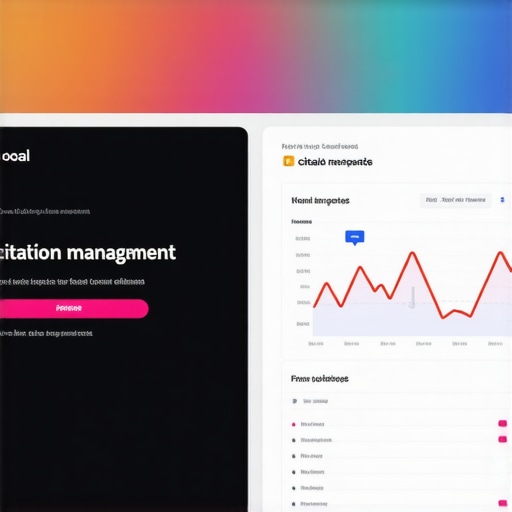
What’s the Future of Maintaining Map Rankings
As local search algorithms continue to evolve, automation and data accuracy will become even more critical. Trends indicate that artificial intelligence-driven tools will soon handle more of the routine maintenance, freeing you to focus on strategic growth. For example, AI can predict review patterns or suggest updates based on competitor movements, keeping your listing optimized without constant manual effort.
If you haven’t yet, I highly recommend integrating a citation management tool like Moz Local or BrightLocal. These platforms help ensure your NAP consistency and update citations across hundreds of directories automatically. Try setting up an automated review request system today—small steps like these can dramatically improve your long-term results and save you time.
Remember, the key is consistency and adaptability. Regularly audit your listings, stay informed about algorithm changes via trusted resources like Long Beach SEO strategies, and leverage automation tools to keep your profile vibrant and authoritative. Long-term success in Google Maps SEO isn’t about quick fixes; it’s about sustained effort and smart use of technology to maintain your edge.
Over the years, I learned that the most valuable lessons in Google Maps SEO aren’t always found in textbooks or online guides—they come from real-world experience and a few hard-earned insights. Here are some of the less obvious lessons that transformed my approach and can do the same for you.
- More is Not Always Better: I used to think flooding my profile with keywords and reviews would skyrocket my rankings. Turns out, Google prefers natural language and genuine engagement. Over-optimization often backfires, leading to penalties or lower visibility.
- Consistency Is the Secret Sauce: Inconsistent NAP data across directories confused Google and hurt my rankings. Regular audits and citation management tools became my best friends to keep everything aligned and authoritative.
- Engagement Trumps Static Content: Posting just once in a while isn’t enough. Continuous interaction, responding to reviews, and updating your profile signal that your business is active and trustworthy—key factors Google considers.
- Understanding Your Audience Matters: Focusing on keywords your local customers actually use, rather than industry jargon, made my profile more relevant and boosted my visibility in Long Beach’s competitive market.
- Patience Pays Off: SEO isn’t instant. I learned to monitor results over weeks and months, tweaking my strategy based on data. Persistence and adaptability are crucial in maintaining top map rankings.
My Essential Toolkit for Google Maps Success
These are the tools I rely on daily to stay ahead in Google Maps SEO:
- Moz Local: For citation accuracy and NAP consistency, I trust Moz Local’s automatic updates and audits.
- Google My Business Insights: The native analytics help me understand user behavior and identify high-impact keywords.
- BrightLocal: My go-to for review management and tracking local rankings effectively.
- SEMrush: For comprehensive keyword research tailored to Long Beach’s local market, SEMrush is unbeatable.
Let This Inspire Your Next Step
Building a dominant presence on Google Maps in Long Beach is a journey, not a sprint. With the right mindset, tools, and strategic tweaks, you can turn your local listing into a powerful magnet for customers. Remember, the most successful local businesses keep learning, adapting, and engaging with their community. Your turn to try—what’s the one thing you plan to focus on first? Share your thoughts below, and let’s grow together!

![Why Your GMB Long Beach Pin Keeps Dropping Off Maps [2026 Fixes]](https://longbeachlocalseo.com/wp-content/uploads/2026/04/Why-Your-GMB-Long-Beach-Pin-Keeps-Dropping-Off-Maps-2026-Fixes-1-420x300.jpeg)
![Why Your GMB Long Beach Pin Keeps Dropping Off Maps [2026 Fixes]](https://longbeachlocalseo.com/wp-content/uploads/2026/04/Why-Your-GMB-Long-Beach-Pin-Keeps-Dropping-Off-Maps-2026-Fixes-420x300.jpeg)


I’ve found that consistent activity on your GMB profile truly makes a difference over time. Posting weekly updates, sharing local events, or new offerings keeps your listing fresh and signals to Google that your business is active, which can positively influence your rankings. I also started using BrightLocal for review management, and it simplifies responding to reviews across multiple platforms. Engaging with reviews, especially negative ones, shows potential customers and Google that you care about service quality, which is vital for local trust and ranking.
One challenge I faced was maintaining citation consistency, especially when updating business info. Regular audits using Moz Local helped keep everything aligned, preventing ranking drops due to inconsistent NAP data. How do others here manage their citation updates without it becoming a tedious process? Do you have tools or routines that make this easier? I’d love to hear what works for your long-term local SEO efforts.
Reading through this detailed guide really highlights how much nuance there is to successful Google Maps SEO. I resonate with the point about avoiding keyword stuffing; I used to do that, thinking it would boost my ranking, but it actually hurt my visibility. What I’ve found effective is creating locally focused content that naturally incorporates keywords—like sharing stories about community events or behind-the-scenes looks at my business. This not only improves relevance but also engages potential customers more authentically. I’ve been curious about the impact of Google Posts—how often do others here recommend posting? Weekly? Biweekly? It seems like consistent updates are key, but I’d love to hear what frequency other local businesses have found most effective to stay fresh without overwhelming their resources. The ongoing tracking of insights is another area I want to get better at—has anyone used AI tools to interpret GMB data and suggest adjustments? It feels like a smart way to stay on top of algorithm changes without spending hours each week, and I’d be interested in anyone’s experience with these tools.
This post hits so many key points I experienced firsthand. I’ve noticed that just optimizing the GMB profile isn’t enough—ongoing activity and fresh content really move the needle. I started posting weekly updates with local news and new services, which seemed to encourage more interactions and, over time, improved my rankings. I also agree with leveraging tools like BrightLocal for review management; automating review responses saves so much time and keeps my profile active. One thing I’ve been exploring is using AI-driven insights to interpret GMB data and identify what content or keywords are resonating most. Has anyone here integrated AI tools into their strategy? I’d love to hear how it’s helped or what pitfalls they encountered. Also, maintaining citation consistency is a challenge, especially with several directories involved. Regular audits with Moz Local have been helpful, but I wonder if there are more efficient routines or tools others swear by. Building a sustained local SEO plan can be daunting, but the right strategies and tools definitely make a difference.
This post really resonated with me, especially the part about local citations and NAP consistency. I’ve learned firsthand how easy it is to overlook small details like uniform NAP info across all directories, but those inconsistencies can have a surprisingly big impact on your rankings. I’ve been using BrightLocal for audit and citation management, and it’s been a game-changer. It automates much of the process and helps me stay on top of updates without feeling overwhelmed. Also, I’ve found that regularly engaging with reviews—both positive and negative—builds trust with customers and signals activity to Google. Regarding the use of AI tools, I’ve recently started experimenting with them to analyze GMB insights and suggest content ideas. Has anyone else found AI helpful in strategizing for local SEO? What tools or approaches would you recommend? I believe that continuous learning and adapting are key in the ever-evolving landscape of Google Maps rankings. Looking forward to hearing everyone’s insights.