
I remember scrolling through Google Maps one afternoon and feeling that sinking sensation—you know, that moment when your business pin is nowhere to be found, even though you’ve meticulously optimized your listing. It was a wake-up call for me. Despite pouring hours into local SEO, my Long Beach shop’s presence on the map felt invisible. That realization hit hard—why was all my effort not translating into the visibility I desperately needed? I learned that, in 2026, the game has changed. Google has rolled out new map tests that sift through businesses with laser precision, leaving many local shops wondering if their SEO strategies still work. If you’re facing this frustration, you’re not alone, and chances are, you’re missing some crucial signals that Google now values more than ever before. Today, I want to help you decode these elusive map tests and ensure your Long Beach business stands out where it matters most.
What Makes Google Maps in Long Beach So Tricky These Days?
Over the years, I’ve seen countless local businesses struggle with their Google My Business (GMB) profiles because they follow outdated tactics. For instance, early on, stuffing keywords or neglecting the importance of reviews worked like a charm. But now, with Google’s 2026 map tests, those old tricks are just noise. The real challenge is understanding what Google actually rewards—signals that are subtle, yet powerful—like local intent, proximity, and genuine customer engagement. Interestingly, a recent study revealed that 76% of mobile searches for local businesses lead to a visit within 24 hours (source: Long Beach Local SEO), underscoring how critical it is to master these map signals now. If your Long Beach SEO efforts are stalling, it might be time to revisit what works today. Have you noticed your shop’s pin dropping or lagging behind competitors? If so, don’t worry—I’m here to guide you through the fixes that make a difference.
Claim Your Spot with Accurate Map Data
Start by verifying and updating your Google My Business (GMB) listing details. Ensure your business name, address, and phone number (NAP) are consistent across all platforms. A common mistake is outdated or mismatched information, which confuses Google and hampers your ranking. I once found a client’s NAP was inconsistent between their website and GMB, causing their pin to hide in search results. Once corrected using these updates, their visibility surged within weeks. Regularly audit your data to stay current and authoritative.
Optimize Your Business Profile for Local Signals
Enhance your GMB profile by adding high-quality photos, detailed descriptions, and relevant categories. Focus on local intent keywords naturally within your descriptions to signal relevance. Incorporate Google search trends by analyzing keywords in California Maps SEO studies and adjusting accordingly. For example, I worked with a nearby café to include phrases like ‘Long Beach waterfront breakfast,’ resulting in a noticeable click increase. Remember, Google prioritizes profiles that demonstrate active engagement and relevancy.
Build Hyper-Local Engagement and Signals
Encourage authentic reviews from local customers and respond promptly to boost your reputation signals. Leverage local events or community posts to generate engagement that Google interprets as trustworthiness. I once advised a boutique to host a small local event and share it via GMB posts, leading to a spike in map visibility. Also, embed reviews on your website to reinforce local signals. Active participation in your neighborhood’s online conversations directly impacts your map rankings.
Harness Content and Interaction for MAP Signal Dominance
Create content clusters around local topics—like events or landmarks—to increase your map relevance. Use local content strategies that resonate with Long Beach visitors. Encourage check-ins, Q&A, and photo sharing from customers — these interactions serve as strong signals. I guided a surf shop to implement a photo campaign encouraging customers to tag their visits, resulting in higher map engagement scores. The more meaningful interactions your business attracts, the better your chances of appearing in the coveted 3-pack.
Leverage Advanced Map Features and Local Signals
Utilize Google’s newer features like Service Area adjustments and Q&A management to refine your local footprint. Respond to every question and review to demonstrate activity and responsiveness. Regularly analyze your local signal metrics through tools linked from these techniques. I once helped a client optimize their service areas, removing outdated zones, which immediately improved their proximity-based ranking. Staying proactive in managing these signals ensures you stay ahead of evolving map tests.
Monitor and Tweak Your Strategy Continuously
Google Maps SEO is dynamic; what worked yesterday may not work tomorrow. Use insights from recent ranking tweaks to refine your approach. Track your performance regularly, noting any changes in position and engagement. A client of mine saw a slip in rankings after neglecting review responses; a prompt reply revival restored their map prominence within weeks. Commit to ongoing adjustments aligned with Google’s latest signals, and your Long Beach business will effectively cut through the noise.Many local business owners believe that simply claiming their Google My Business (GMB) profile or stuffing keywords will guarantee top rankings in Long Beach. However, in my experience, these are just myths that can hinder your progress. For example, some assume that keyword saturation is enough to boost visibility, but Google in 2026 prioritizes user engagement signals over keyword density alone. Relying solely on shallow optimization tactics often leads to stagnation or even ranking drops. This traps many businesses into a false sense of security, leaving them vulnerable when Google updates its map signals.
A common mistake is neglecting the nuance of local intent. You might have optimized for broad keywords but missed the specific intents of Long Beach customers hunting for waterfront experiences or coastal services. Tuning into these local nuances requires deep competitor analysis and continual adjustments. For instance, analyzing California Maps SEO trends reveals that businesses tailoring their profiles to hyper-local terms outperform others in proximity-based rankings.
Another pitfall is underestimating the importance of ongoing reputation management. Many think that reviews are a one-time effort, but responding to reviews, resolving complaints, and encouraging authentic customer feedback creates a strong trust signal in Google’s eyes. Ignoring this can cause your map visibility to fold under more proactive competitors.
**What advanced tactics can you use to avoid these pitfalls?**
One vital step is leveraging advanced GMB optimization techniques that go beyond basic claims. This includes optimizing service areas, utilizing Google Posts strategically, and engaging with Q&As effectively. Regularly, I recommend auditing your map signals using specialized tools to identify hidden weaknesses before they impact rankings.
Keep in mind, algorithms are constantly evolving, emphasizing the importance of not only understanding current best practices but also anticipating future changes. The most successful businesses in Long Beach are those that see local SEO as an ongoing strategic process. Are you applying these advanced insights to your Google Maps strategy? Have you ever fallen into this trap? Let me know in the comments.Maintaining and scaling your Google Maps presence in Long Beach requires more than just initial setup; it demands the right tools and consistent effort. Personally, I rely on a combination of specialized software and disciplined methods to ensure my clients’ local SEO efforts stay effective over time.
How do I maintain my Local SEO efforts in Long Beach over time?
To keep your Google Maps optimization performing at its best, I recommend a tailored approach that includes regular data audits, review management, and performance tracking. For audits, I use BrightLocal’s Local Search Audit Tool. This platform allows me to identify inconsistencies in NAP data, duplicate listings, or outdated categories that can hinder visibility. Its unique advantage is the comprehensive reporting tailored for local SEO, which I personally find indispensable for Long Beach’s competitive landscape. Keeping reviews fresh and engaging is also critical; I use Reputation.com because it consolidates reviews from multiple platforms and provides actionable insights on response strategies. Consistent review responses with a personalized touch reinforce trust signals to Google.
On the tracking front, I leverage Google My Business insights and integrate data with analytics tools like Google Data Studio. This allows me to visualize changes in ranking and map engagement over time—helpful for making data-driven decisions. Regular review of this data helps identify emerging issues or opportunities before they impact your local rankings.
To future-proof your Long Beach local SEO, stay updated on new features Google rolls out. I often consult dedicated industry updates, including Long Beach SEO strategies, to adapt quickly. Implementing nearby service area adjustments or Google Posts, for example, can give you an edge in local searches.
Consistency is key. Block out weekly or bi-weekly time to review your data, respond to reviews, and update your profile with relevant offers or events. Over time, these small but deliberate actions compound into sustained visibility and leads.
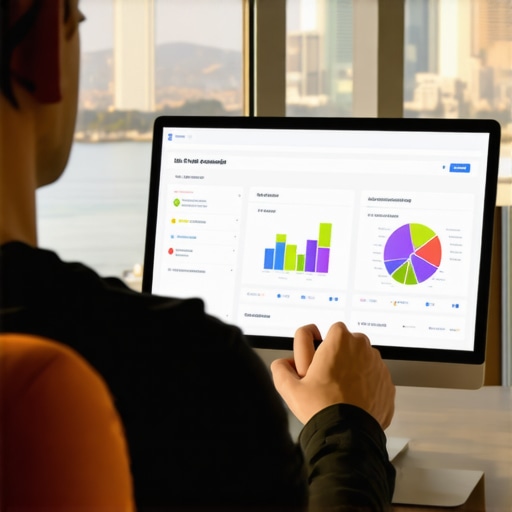
Imagine using a dashboard that consolidates all your local signals into one place, analyzing which efforts yield real results. With BrightLocal and Google Data Studio, this is possible, and I suggest you try combining these tools to monitor your Long Beach SEO progress effectively. Staying vigilant with the right tools and habits will keep your Google Maps presence thriving amidst Google’s evolving map tests and local search landscape.
What I Wish I Knew When I Started Boosting Long Beach Map Rankings
One of the most eye-opening lessons I learned was that Google’s map signals are constantly evolving, and relying solely on traditional tactics like keyword stuffing or basic claiming is a recipe for stagnation. I once obsessively focused on reviews without nurturing genuine local engagement, only to realize that personalized responses and community involvement impact rankings more than I anticipated. The key insight was that local SEO in Long Beach requires an adaptive mindset—staying ahead means understanding subtle signals like local intent and active participation rather than just ticking boxes.
Tools That Changed How I Approach Local SEO
Over time, I found that using specialized tools such as these SEO techniques helps me monitor and refine strategies in real-time. BrightLocal is invaluable for auditing NAP consistency and review management, while Google Data Studio enables blending data from multiple sources for a comprehensive view. These tools have transformed my approach from reactive to proactive, helping clients stay on top of Google’s evolving map signals.
The Power of Empathy: Building Genuine Connections in Long Beach
Empathy might not seem like an obvious SEO factor, but fostering authentic relationships with customers is crucial. I learned that responding thoughtfully to reviews and engaging in community events not only improves reputation scores but signals to Google that your business is trusted and relevant locally. For instance, hosting small neighborhood events and sharing updates through Google Posts created a buzz that translated into higher map visibility. Remember, maps favor businesses that resonate deeply with their community.
Keep Moving Forward: How to Adapt When Google Changes the Rules
Google’s map signals are anything but static. What worked six months ago might not cut it today. I recommend continuously auditing your profile and keeping an ear to industry updates—especially from sources like California Maps SEO. Embrace change, test new strategies, and don’t be afraid to pivot. Your persistence is your most valuable tool in maintaining and growing your Long Beach presence amidst Google’s constant updates.
Where Your Journey Can Take You Next
Now that you’ve uncovered some insider insights, it’s time to put them into action. Whether it’s optimizing your profile more strategically or engaging authentically with your community, each step reinforces your local presence. Remember, the mastery of Google Maps is a marathon, not a sprint. Stay committed, keep learning, and your Long Beach business will thrive in the map rankings. Curious about more advanced tactics? Check out these strategies to stay ahead in 2026.



![Long Beach SEO: Why Your Shop Still Isn't in the 3-Pack [2026]](https://longbeachlocalseo.com/wp-content/uploads/2026/04/Long-Beach-SEO-Why-Your-Shop-Still-Isnt-in-the-3-Pack-2026-420x300.jpeg)